Some goods lose their value if they get too warm or too cold, even for a short time. Fresh produce, frozen food, pharmaceuticals, vaccines and some chemicals all need a controlled temperature throughout their journey. This is known as the cold chain.
Know your temperature range
Start by confirming the exact range your goods need, for example chilled at 2–8°C or frozen below -18°C, and how long they can safely spend outside that range. Your supplier or manufacturer should provide this.
Choosing the transport mode
- Air freight is often best for short shelf-life goods such as fresh fish, flowers and medicines, using insulated packaging or temperature-controlled containers.
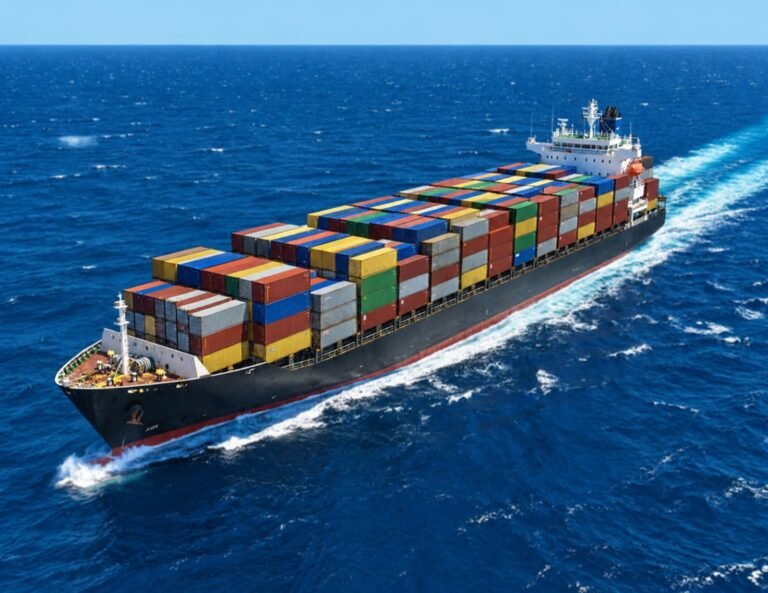
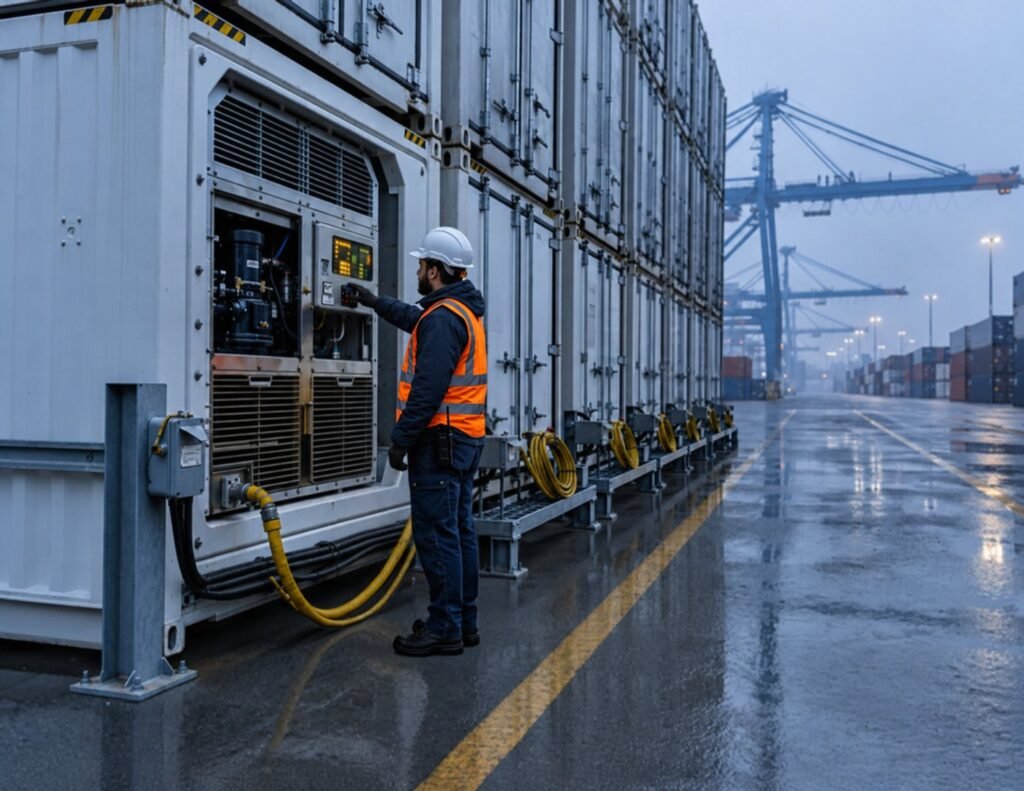
- Sea freight in refrigerated (reefer) containers suits larger volumes of goods with a longer shelf life, such as frozen meat or fruit.
- Refrigerated trucks handle regional moves and the final delivery leg.
Packaging and monitoring
Use insulated boxes, gel packs or dry ice where appropriate, and pre-condition packaging to the right temperature before loading. Temperature data loggers record conditions during transit so you can prove the cold chain was maintained.
Paperwork and permits
Food, plant and animal products and medicines often need health certificates, phytosanitary certificates or import permits. Missing documents can cause delays, which are especially costly for perishable cargo, so check requirements before you ship.
Plan for the handovers
Most temperature problems happen during handovers, at airports, ports and warehouses. Book services that keep the goods in controlled storage at each stage and arrange prompt collection on arrival.
Talk to us early
Share the product, temperature range, volume and destination and we will recommend the right cold-chain option and timeline.